To Serve and Protect
“When you have police officers who abuse citizens, you erode public confidence in law enforcement. That makes the job of good police officers unsafe.”
~Mary Frances Berry
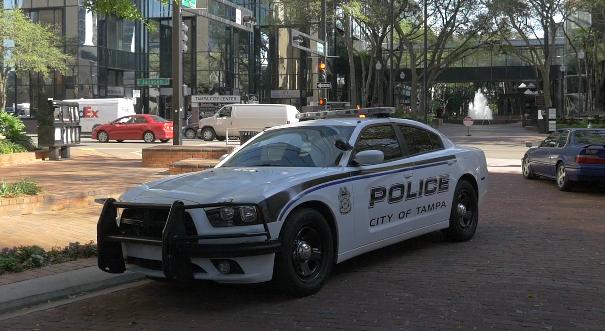
Over time, the role of the police officer has shifted from serving and protecting to enforcement of law, making forces subservient to the government rather than accountable to the people. To Serve and Protect analyzes modern policing in an attempt to determine whether modern law enforcement agencies live up to that standard and to explore ideas for moving forward.
01
Accountability
Qualified immunity shields police from personal responsibility for their actions. This removes an incentive for officers to ensure that they are using ethical practices in their day-to-day engagement with the public. As a result, when there is harm done, taxpayers often end up footing the bill.
02
Stand and Deliver
Civil asset forfeiture was originally touted as a necessary step to prevent drug kingpins from using ill-gotten gains to escape accountability. In practice, these laws have essentially paved the way for a form of highway robbery of the innocent.

03
Gone Fishin’
The police can lie to individuals but it is illegal for individuals to lie to the police. The practice of “fishing” pressures citizens in police encounters to incriminate themselves under the guise of friendly banter, eroding trust between law enforcement and the public.
04
Perverse Incentives
Financial gains provide an incentive to find crimes where they do not exist. From traffic ticket revenue to the corporations that enrich themselves with products and services provided to law enforcement, revenue generation is perverting our system of justice and violating the rights of the public.
05
Mistaken Identity
Innocent individuals have spent months behind bars after being mistaken for someone else. In some cases, positive proof of innocence was discounted or ignored. Modern technology such as facial recognition and license plate readers are making the existing problem worse.

06
Man’s Best Friend
Law enforcement regularly kills family pets that they deem to be threatening while K9 units have caused bodily harm to the innocent, who have no recourse. The disparities between pets, which are considered property, and K9 units, which are considered to be officers, is illogical and unjust.

07
Castle Doctrine
No-knock raids and SWAT teams were designed to allow law enforcement to intervene in critical situations but they are now regularly employed for the most mundane of nonviolent crimes. These practices endanger both law enforcement and residents, who attempt to defend themselves against unknown aggressors.

08
Power Trips
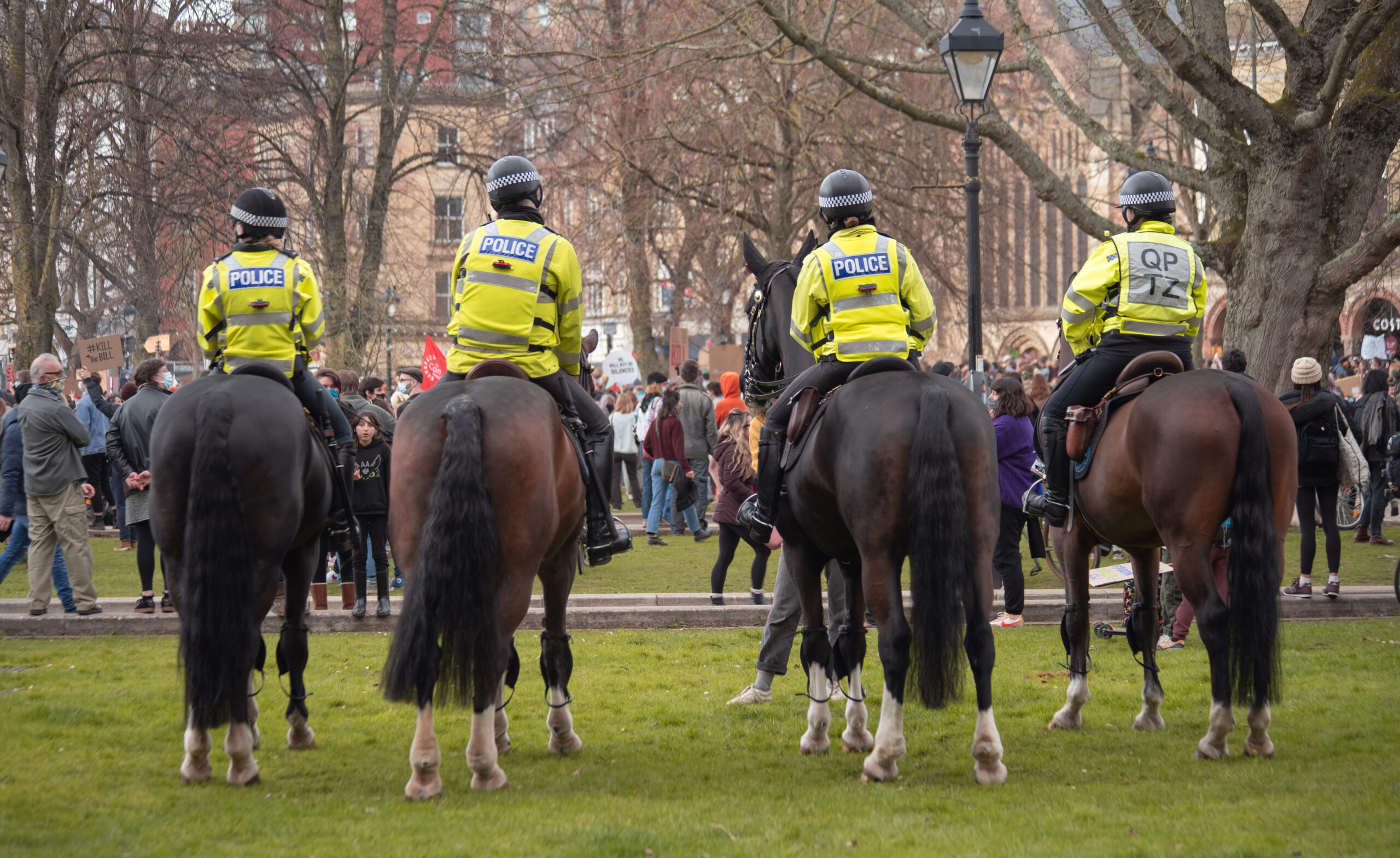
The shift away from peace officers, who protect and serve, in favor of law enforcement, who serve written code, has created an adversarial relationship between the public and those who were originally established to keep them from harm.
09
Equality
An elitist approach within law enforcement has created an atmosphere in which many in the field view themselves not as an integral part of society but as an exclusive entity in which blue lives hold more value than those of the public that they are supposed to be protecting.

10
Training
Police training programs have been found to encourage law enforcement to violate their oaths, abuse the public, and view citizens as “cockroaches to be squashed”–all at taxpayer expense.

11
Militarization of Police
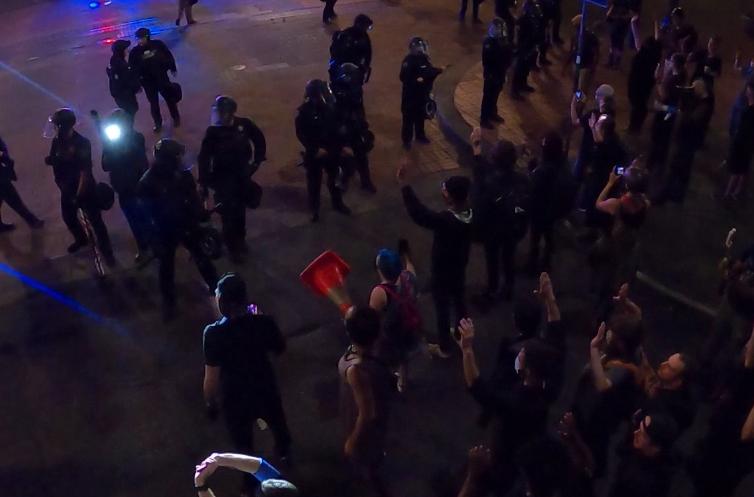
Are tanks, drones, and military-style weapons appropriate tools for domestic law enforcement?
12
Backing the Blue
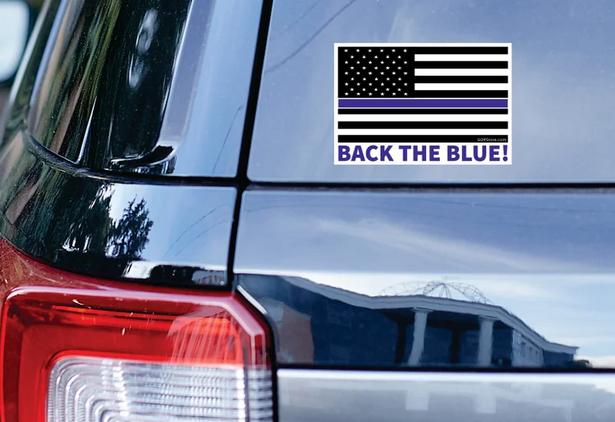
Political tribalism has pushed a narrative embraced by a segment of society that believe that police are infallible, leading to a lack of accountability.
13
Where Do We Go From Here?
Is it possible for law enforcement to become an organization designed to protect the rights of the public rather than protecting the edicts of politicians?